
Content Marketing Strategies for Small Businesses: Building a Sustainable Online Presence
Introduction to Content Marketing for Small Businesses
Hey there, small business owners! Are you looking to make your mark in the bustling online world? Well, you’re in the right place. Content marketing is like a superpower for small businesses. It’s all about creating valuable, relevant content that speaks directly to your audience. The best part? It doesn’t cost a fortune, and it works wonders for building an authentic, sustainable online presence. Here’s why you should consider jumping on the content marketing bandwagon:
– Cost-Effective: It’s budget-friendly and delivers great returns.
– Brand Building: Helps establish your brand’s voice and authority.
– Audience Engagement: Directly connects your business with your audience.
Whether you’re a startup or an established small business, content marketing is a fantastic way to grow and maintain meaningful relationships with your audience. Stick around, and we’ll guide you through the strategies that can smooth that journey!
Understanding Your Target Audience
 Image courtesy: Unsplash
In the world of content marketing, understanding your target audience is absolutely crucial. It’s like getting to know a friend—understanding their likes, dislikes, what makes them tick. In this section, we’ll delve into the nitty-gritty of identifying your audience’s demographics and psychographics, pinpointing their needs and pain points, and finally, creating buyer personas that guide your marketing strategies.
Identifying Demographics and Psychographics
The first step to truly understanding your audience is to identify their demographics and psychographics. Demographics cover the basic factual stuff: age, gender, income level, education, and geographical location. This data gives you a clear picture of who your customers are. But to dig a little deeper, psychographics come into play. This involves understanding your audience’s interests, hobbies, values, and lifestyle choices. While demographics can tell you who your potential customers are, psychographics give insight into why they purchase.
For example, a small business selling eco-friendly products might find their audience not only consists of young adults aged 20-35 (demographics) but also environmentally conscious individuals who value sustainability (psychographics). This dual understanding can shape marketing messages that resonate powerfully with the intended audience.
Analyzing Customer Needs and Pain Points
Next up, analysis! It’s time to roll up your sleeves and get into understanding your customer’s needs and pain points. What challenges do they face? What are their unmet needs? Addressing these questions is crucial as it helps tailor your offerings and content to provide genuine solutions.
To uncover these insights, conduct surveys, interact with customers via social media, or leverage customer feedback. Small businesses can easily connect with their audience on a personal level, making it simpler to gather valuable insights. Understanding customer pain points allows you to create content that answers their most pressing questions and positions your brand as a problem solver.
Creating Buyer Personas
Now that you’ve gathered all this valuable intel, the next step is to create buyer personas. Think of a buyer persona as a fictional character that embodies your ideal customer. This imaginative profile maps out all the gathered details about demographics, psychographics, needs, and motivations. By referring to this persona, your team can ensure the content speaks directly to the target audience.
For instance, let’s say you run a local bakery. Your buyer persona might be Sarah, a young, busy mom who prefers healthy, yet delicious snacks for her kids. She’s tech-savvy, values convenience, and often browses Instagram for recipe ideas. With Sarah in mind, every piece of content is strategically aligned to capture her attention and meet her needs.
Crafting Compelling Content
Equipped with a deep understanding of your audience, it’s time to shift gears and focus on crafting content that captivates and converts. The secret sauce? A well-thought-out content calendar, choosing the right formats, and writing in a way that’s both engaging and optimized for search engines.
Developing a Content Calendar
A content calendar is your roadmap to consistent, organized, and strategic content marketing. It’s about plotting key dates, brainstorming topics in advance, and ensuring there’s a steady stream of content flowing out to your audience, without a last-minute scramble.
Using a content calendar helps small businesses plan out various themes and topics, align them with business goals or seasons, and measure what works and what doesn’t. This is not only a time-saver but also ensures that your content stays fresh and relevant.
Selecting the Right Content Formats
Not all content types are created equal, and choosing the right format is instrumental in how your message is received. From blog posts, social media snippets, videos, podcasts, infographics, to eBooks, the choices can be overwhelming, so how do you decide?
Consider where your audience hangs out and what they enjoy consuming. If they’re more inclined towards visuals, then eye-catching videos or infographics may be your best bet. On the other hand, if they appreciate in-depth insights, long-form blogs or podcasts could be the way to go. Different formats can also cater to different stages of the buying journey, so don’t be shy to mix it up a bit.
Writing Engaging and SEO-Friendly Content
The final stroke in crafting compelling content is writing it in a way that captivates and drives traffic. High readability and engagement start with understanding your audience (yup, back to step one!) and writing in a voice that resonates with them.
But of course, you can’t neglect the power of search engine optimization (SEO). Use relevant keywords naturally within your content, craft catchy headlines, and make sure your posts are easy to read. Optimizing your content helps it show up on search engines where potential customers are looking for solutions you provide.
Remember, the goal is to offer value! When you consistently craft content that informs, entertains, or solves problems for your audience, you’re laying down the foundation for a sustainable online presence.
Optimizing Content for Various Platforms
In the digital world, one size doesn’t fit all—especially when it comes to content marketing for small businesses. Optimizing your content for different platforms is crucial to reaching your target audience effectively. Let’s dive into how you can tailor your strategies for each platform to ensure maximum engagement and impact.
Social Media Strategies for Small Businesses
Social media platforms are bustling hubs where people connect, share, and discover content. Each platform has its unique vibe and audience type. Here’s a how-to guide tailored for small businesses to make the most out of their social media presence:
– Platform-Specific Content: Not every post will work everywhere. For instance, Instagram is geared toward visual storytelling, making it perfect for sharing stunning images and short videos. LinkedIn, on the other hand, is more professional, so focus on sharing industry insights and thought leadership content there.
– Consistency is Key: Posting regularly helps keep your audience engaged and your brand top-of-mind. Develop a content calendar to schedule and organize your posts across different platforms.
– Engage and Interact: Social media is bidirectional. Engage with your audience through comments, likes, and shares. Respond promptly to messages and tags—this builds relationships and community.
– Leverage Hashtags and Trends: Participate in trending topics and use relevant hashtags to increase the visibility of your posts. This simple trick can widen your reach significantly.
Leveraging Email Marketing
Email marketing might seem old school, but it remains one of the most effective channels for building a loyal customer base. It’s personal, direct, and allows for tailored communication.
– Build a Quality Subscriber List: Focus on growing a list of subscribers genuinely interested in what you have to offer. Encourage sign-ups through your website, social media, and at points of sale.
– Personalize Your Emails: Personalization is paramount. Use your subscribers’ names, and segment your audience based on preferences or purchase history to send targeted emails.
– Provide Value First: Keep your emails informative and valuable. Share industry news, special offers, or tips that resonate with your audience. Remember, the goal is to make your emails a welcome sight in your subscribers’ inboxes.
– Timing and Frequency: Play around with different sending times and frequencies to see what resonates best with your audience. Monitor engagement rates to find your sweet spot.
Utilizing Video Content for Greater Engagement
Video content is king in the realm of digital marketing. It’s engaging, easy to consume, and can be incredibly persuasive.
– Create Engaging Short Videos: Platforms like TikTok and Instagram Reels have revolutionized the way people consume content. Short, engaging videos can convey your message quickly and effectively.
– Show Behind the Scenes: Give your audience a peek behind the curtain with behind-the-scenes content. This creates a more personal connection with your brand and builds trust.
– Educational Content: How-to videos, tutorials, and educational content do well. They provide value and establish your brand as a credible source of information.
– Invest in Quality: While you don’t need a Hollywood budget, good lighting, clear audio, and steady visuals go a long way in making your videos look professional.
Measuring and Adjusting Your Content Marketing Efforts
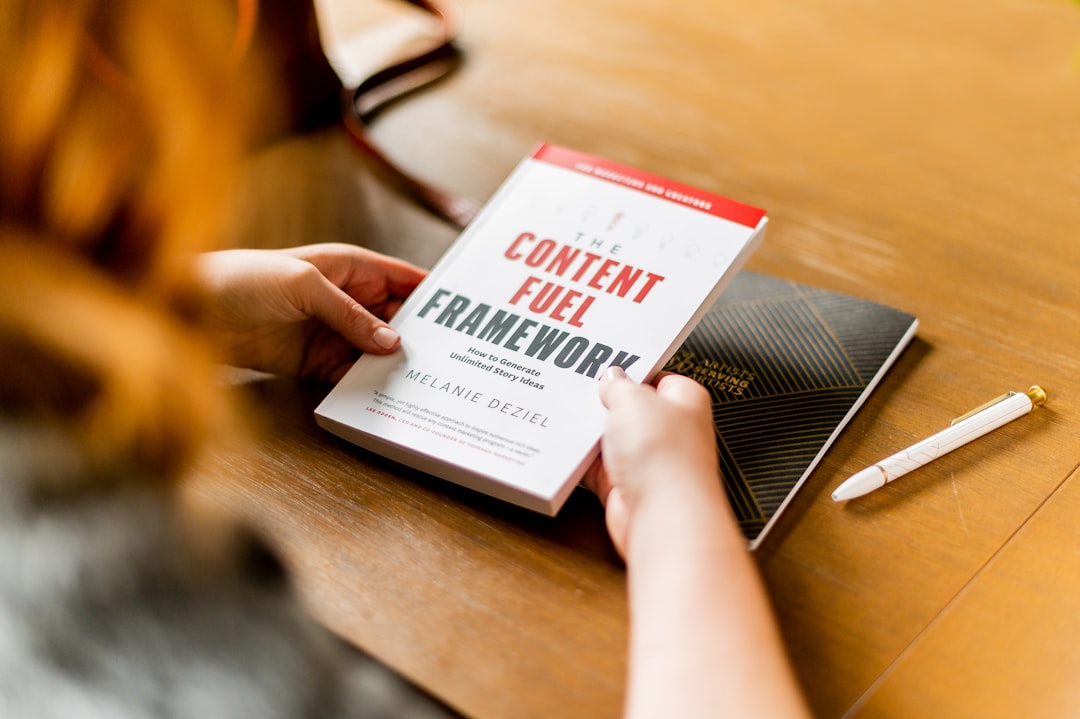 Image courtesy: Unsplash
Now that you have your content strategies in place, it’s time to measure their effectiveness and fine-tune for better results. Content marketing isn’t a “set it and forget it” strategy—it requires ongoing assessment and adjustment.
Setting Key Performance Indicators (KPIs)
KPIs are your roadmap. They help you measure progress toward your content marketing goals.
– Define Clear Goals: Start with clear objectives. Are you aiming to increase website traffic, boost sales, or grow your social media following? Each goal will have different KPIs.
– Choose the Right KPIs: Choose KPIs that align with your goals. For example, track open rates and click-through rates for email campaigns, or engagement rates and follower growth for social media efforts.
– Monitor Regularly: Regularly review these KPIs to assess your performance. This will help you identify what’s working and what needs improvement.
Analyzing Content Performance Metrics
As your content makes its rounds across the internet, gather data to learn how it’s performing.
– Use Analytics Tools: Tools like Google Analytics, social media insights, and email marketing software provide comprehensive data on how your content is doing.
– Identify Patterns: Look for patterns or trends in audience behavior. Which content types generate the most engagement? When are users most active?
– A/B Testing: A/B testing can be incredibly beneficial. Test different subject lines, visuals, or post times to see which version performs best.
Adapting Strategies Based on Data Insights
With your data in hand, it’s time to make informed decisions and refine your strategies.
– Refine Your Strategy: Don’t be afraid to tweak your approach based on the insights you’ve gathered. Maybe video content is outperforming blogs, or an unexpected demographic is engaging with your posts.
– Stay Flexible: The digital landscape is always evolving. Stay adaptable and open to trying new things to keep your content fresh and relevant.
– Iterate and Improve: Treat your content strategy as a living document that grows with your business. Constantly seek ways to refine and enhance your content marketing efforts.
And there you have it! By optimizing your content for various platforms and continuously measuring and adjusting your strategies, your small business can build and maintain a sustainable online presence.
Conclusion: Embracing Content Marketing for Long-term Success
In the fast-paced world of digital marketing, small businesses must stay adaptable and creative. Embracing content marketing not only nurtures trust and credibility but also fuels long-term growth. By consistently producing engaging, high-quality content, businesses can enhance their online visibility and build meaningful connections with their audience.
Remember, success doesn’t happen overnight. Be patient, keep experimenting with different strategies, and most importantly, always listen to your audience’s feedback. This approach will help your small business carve out a sustainable and thriving online presence.